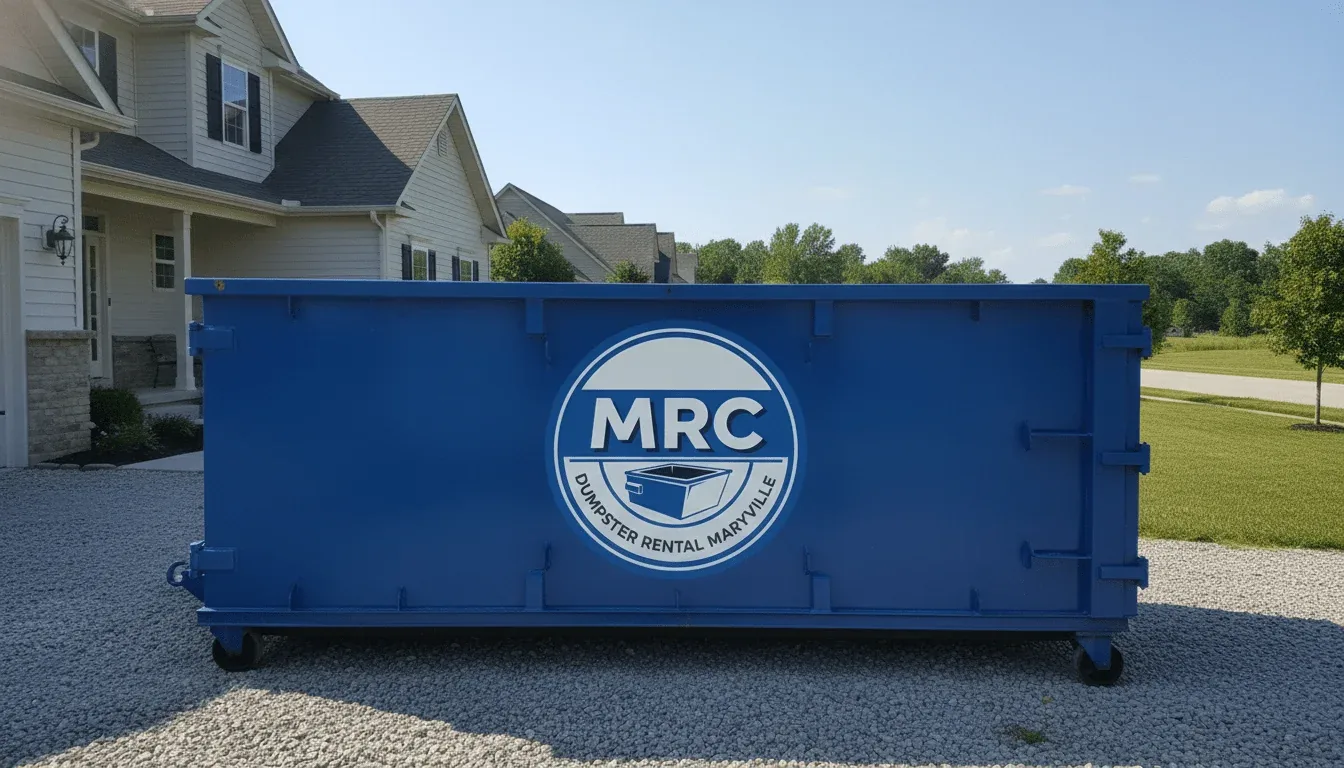
Why the Ground Under a Dumpster Matters
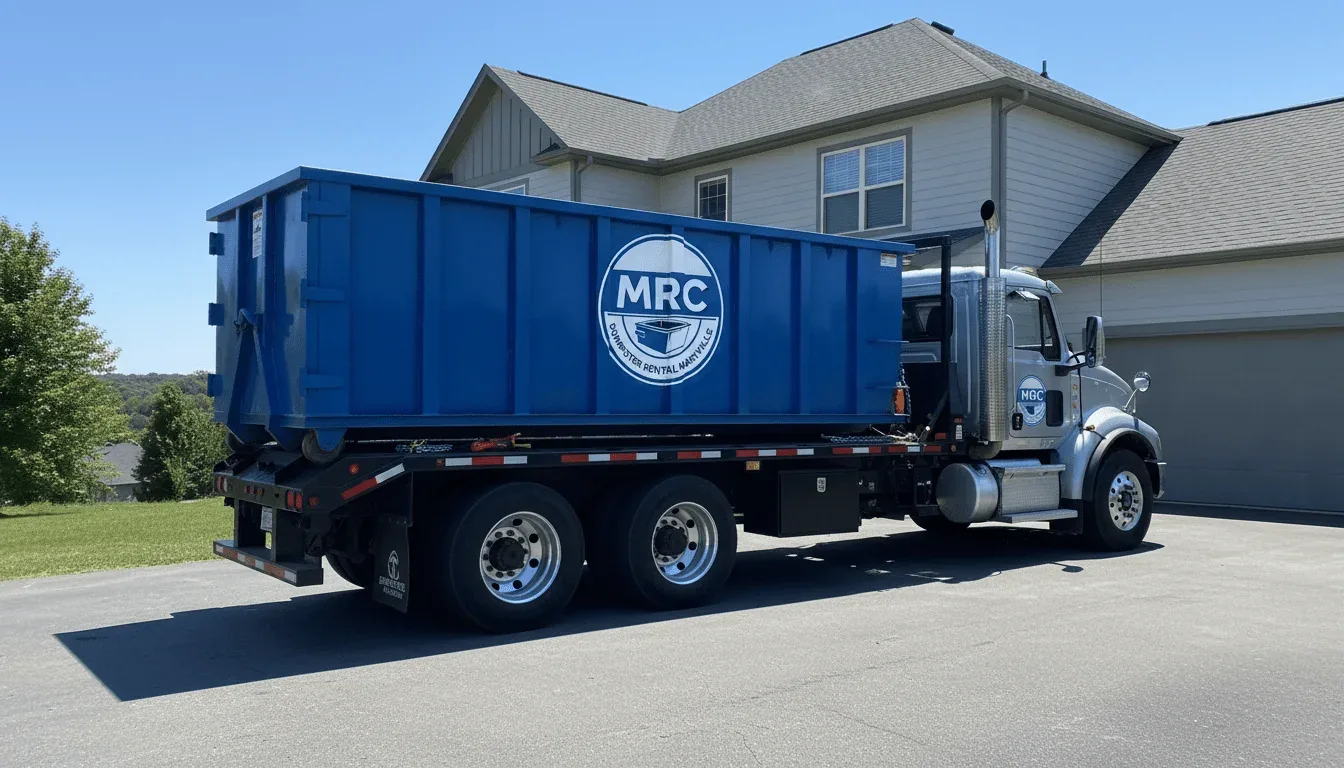
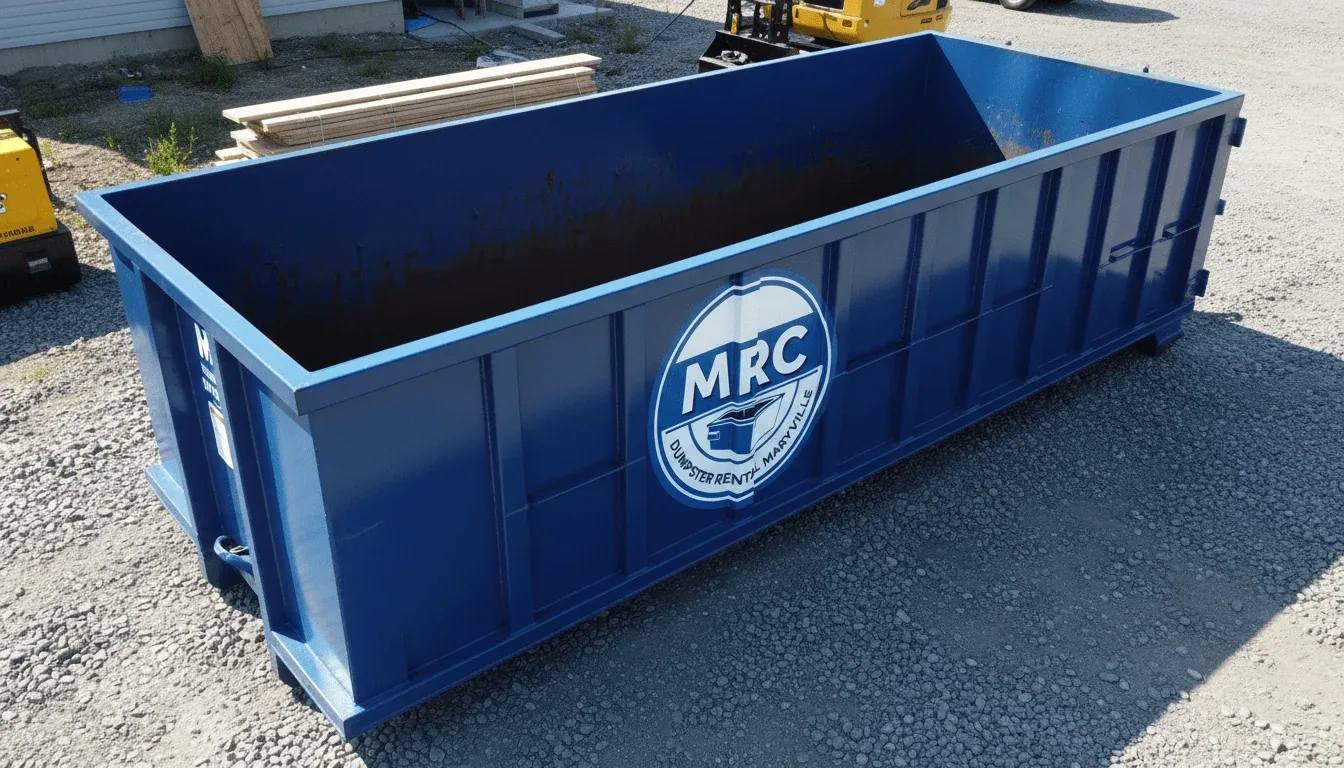
A 20-yard roll-off dumpster weighs a little over a ton empty, and by the time you have filled it with drywall, roofing shingles, or old furniture it can easily push past 3,000 or 4,000 pounds sitting on two narrow steel rails. That entire weight rests on two contact lines a few inches wide, not spread evenly across a wide footprint like a parked car. When our truck lowers the container, most of that load transfers onto whatever is directly under those rails for the whole rental period, which is usually about a week. On a driveway that has already got a hairline crack, a soft spot from a leaking downspout, or a section that was poured last spring, that kind of concentrated, sustained weight is exactly what turns a small existing flaw into a visible dent, a fresh crack, or a scuff mark that outlasts the job itself.
None of this means you should be afraid to put a dumpster on your driveway. Thousands of Blount County driveways host a roll-off for a week without a mark to show for it. It means placement is not a step we skip past on the way to dropping the box and driving off. Where the container sits, what goes under the rails, and how the driver reads your particular surface before setting it down all matter more than most homeowners realize until they have watched a delivery happen.
What Actually Goes Under the Rails
On any surface where there is real risk of scuffing or gouging, our driver sets down protective boards before the container ever touches the ground. These are heavy wood planks, sometimes paired with rubber matting, laid crosswise under the point where each steel rail will land. The boards do two things at once. First, they widen the contact area, so instead of a thin steel edge biting straight into asphalt or concrete, the weight spreads across a few square feet of wood. Second, they let the container slide slightly during final positioning without the rail edge dragging and scoring the surface underneath.
This is standard practice, not an upsell, so say so when you book and again when the truck shows up if boards matter to you. On a plain, solid concrete driveway in good condition, some drivers will judge boards unnecessary because the surface can take the point load without issue. On asphalt, pavers, stamped or colored concrete, or anything you would call cosmetic or newer than a couple of years old, boards should go down as a matter of course. If you watch a delivery and do not see protection go under the rails on a surface you are worried about, it is entirely fair to ask the driver to place boards before they set the box down. That is a request our crew expects and will accommodate on the spot, not something you need to negotiate after the fact.
Not every driveway or yard in the Maryville area carries the same risk, and knowing your category helps you have the right conversation before delivery day.
Gravel and unpaved surfaces. A lot of rural properties around Rockford, Friendsville, and out toward Greenback have gravel or packed-dirt driveways rather than poured concrete. Gravel actually handles point loads reasonably well because loose stone shifts and redistributes weight, but it is prone to rutting if the container has to be dragged even a few feet during positioning, and a truck's rear tires can chew up a soft gravel apron trying to back into a tight spot. On gravel, the bigger conversation is usually about exactly where the box sits so the delivery truck itself does not need to muscle its way across the softest part of the drive.
Newer concrete pours. Concrete keeps curing and gaining strength for a full month after it is poured, and it is not considered fully cured for closer to a year. If your driveway or a new pad was poured within the last 30 to 60 days, that is worth mentioning when you book, because fresh concrete is meaningfully more vulnerable to cracking under a concentrated load than concrete that has had a season or two to harden. In a lot of new-construction and remodel situations around Alcoa's newer subdivisions, this comes up more than people expect, since the dumpster and the fresh driveway pour can both land in the same few weeks of a project timeline.
Soft ground, lawns, and slopes. Placing a loaded roll-off directly on grass or bare dirt is usually a last resort, and for good reason. Even without any rain, soft ground can let the rails sink in unevenly over several days, which can tilt the box, make it harder to load safely, and leave ruts that take a season to fill back in. After rain, the same spot can turn to mud in a matter of hours. If a paved surface is available anywhere on the property, we will use it. When ground placement is genuinely the only option, expect boards or matting under the rails as standard, and understand that some settling or turf disturbance is a realistic outcome that a flat surface would have avoided.
Asphalt in hot weather. East Tennessee summers get plenty hot, and asphalt softens as the temperature climbs. On a driveway that is asphalt rather than concrete, a dumpster sitting in direct August sun for a week is more likely to leave a faint impression from the rails than the same container would in cooler months. It is rarely severe, but it is worth knowing about ahead of time rather than being surprised by it at pickup, and it is another good reason to make sure protective boards are used.
How the Driver Sizes Up Your Spot
Before a container ever comes off the truck, the driver is reading the site: the slope of the driveway, whether the surface is concrete, asphalt, gravel, or grass, how close overhead lines or tree limbs hang, whether there is enough clearance for the truck to back in straight rather than at an angle, and whether the spot you requested when you booked is actually the best spot once they can see it in person. A dumpster set down at an angle or on a slope puts more weight on one rail than the other, which increases the odds of a mark on that side, so drivers will often ask to shift a container a foot or two from where you originally imagined it in order to get it level and square.
This is also the moment protective boards get placed if the surface calls for them, and it is the right time to speak up about any concern, whether that is a section of driveway you already know is weak, sprinkler heads or a septic line you do not want the truck driving over, or simply wanting the box positioned farther from the garage door than a stock delivery would put it. Our drivers do this daily and would rather take an extra minute to get placement right than come back for a pickup and find a problem that a different angle or a couple of boards would have prevented.
What You Can Do Before Delivery Day
A little preparation on your end makes the driver's assessment faster and the outcome better. Walk your driveway or yard and think about where a 22-foot-long container with a truck backing up to it would realistically fit, keeping in mind the truck needs a fairly straight, clear shot rather than a tight turn. Note anything the driver would not see at a glance, like a septic tank lid, an irrigation line, or a section of driveway you already know has a crack, and mention it when you book so it can be factored into the plan rather than discovered mid-delivery. If you have a strong preference for exactly where the box should sit, say so, but stay open to the driver adjusting it slightly for a flatter, more level footing, since a small shift in position is often the difference between an uneventful week and a scuff mark.
If your project is going to run long enough that the container will sit in one spot through a stretch of heavy rain, or if you are placing it on grass or gravel by necessity, it is also worth asking whether repositioning partway through a longer rental makes sense for your situation. Not every job needs it, but for a multi-week cleanout or a slow-moving renovation, moving the box a few feet after the first week can prevent the kind of prolonged, one-spot pressure that leads to rutting or settling.
If You Are Worried About Damage
If you are uneasy about your driveway before delivery, the simplest thing to do is call ahead and describe the surface: concrete or asphalt, roughly how old it is, and whether you have noticed any existing cracks or soft spots. That lets us plan for boards and careful placement before the truck leaves the yard, rather than reacting on site. It is also reasonable to take a few photos of your driveway's current condition before the container arrives, the same way you would before any heavy equipment or work vehicle spends time on your property. That is simply good practice and gives you a clear before-and-after reference if a question ever comes up.
During the rental, if you notice something concerning, such as visible sinking on one side or a crack that seems to be growing, call us rather than waiting until pickup. In many cases a quick adjustment, like repositioning the container or adding boards that were not there initially, resolves it before it becomes a bigger issue. And if you have a concern once the container is picked up, raise it directly with our office rather than guessing at what happened. We would rather talk through a placement question honestly than leave a customer wondering, and being upfront about what protective boards can and cannot prevent is part of doing this job right in a community where word of mouth still matters.
Every property in Blount County is a little different, from the sloped gravel drives out past Walland to the newer poured concrete in Alcoa's growing subdivisions to older downtown Maryville lots near Broadway Avenue. There is no substitute for a driver actually looking at your specific spot before the box comes down, and there is no reason not to ask questions about protection before that happens. Call MRC Dumpster Rental Maryville at (865) 324-0741 and describe your driveway when you book. A two-minute conversation about surface type and condition is the easiest way to make sure placement day goes the way it should.