Which Dumpster Size Do You Actually Need? A Maryville Homeowner's Guide
Bigger isn't always safer. Here's how to match the 10-, 15-, 20-, 30-, and 40-yard sizes to your project without overpaying for space or getting hit with a weight overage.
ReadEstate Cleanouts guide
A calm, practical guide to sizing a dumpster for a whole-house estate cleanout, what to set aside before anything gets loaded, and how to pace the work over your rental period.
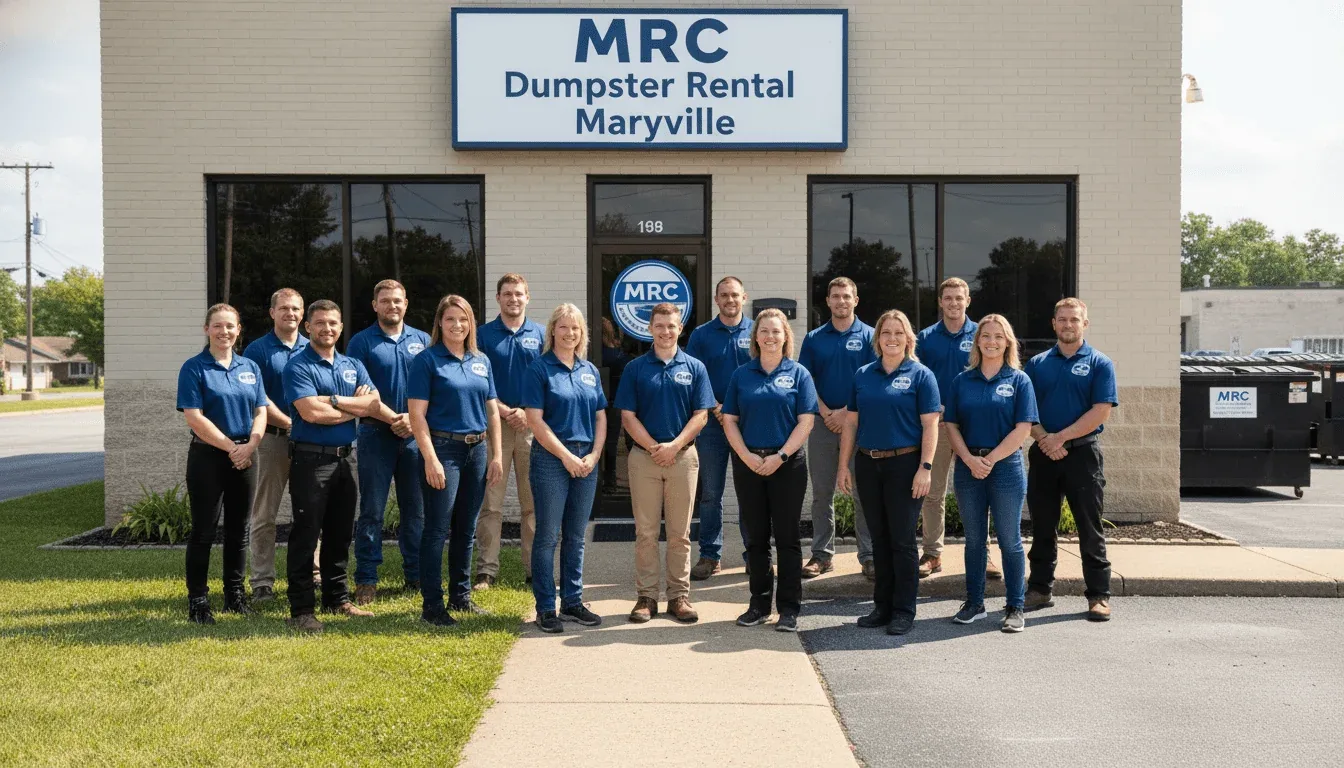
Most people who call us about an estate cleanout aren't in a hurry to get it over with — they're trying to get through it without making a decision they'll regret. Maybe it's a parent's house in one of Maryville's older in-town neighborhoods, a grandparent's place out toward Rockford or Louisville, or a relative's property you're closing out before it goes on the market. Whatever brought you here, the goal of this guide is simple: help you size a dumpster correctly, figure out what actually needs to leave in a roll-off versus what should go somewhere else first, and set a pace that doesn't burn out the people doing the work.
There's no single "right" way to clear a house that someone lived in for twenty or forty years. Some families want everything gone in a weekend so they can stop thinking about it. Others need to walk through room by room over several weeks, and that's fine too — a dumpster rental can be scheduled around either approach. What we'd rather you not do is guess at a size, order something too small, and end up paying for a second delivery because the container filled up on day two.
Estate cleanouts almost always generate more volume than people expect, because you're not just clearing obvious trash — you're clearing furniture, mattresses, old appliances, boxes of papers, yard equipment from the garage or shed, and years of accumulated household goods that were never sorted along the way. A single bedroom of furniture and boxes can fill a good chunk of a small container by itself.
As a general starting point for a full single-family home in the Maryville area:
If you're not sure which size fits your situation, the fastest way to get it right is to call and describe the house — square footage, how many rooms still have contents, whether there's a garage, basement, or outbuilding involved, and roughly how "full" it is. Our team sizes these calls every week and would rather ask a few extra questions up front than have you pay for a dumpster that's too small. Flat-rate pricing on a Maryville-area container typically runs in the $350–$750 range depending on size, what's going in it, where it's delivered, and how long you keep it — but call for a firm number for your specific job rather than assuming a price from a general range.
One placement note worth thinking through before delivery: estate cleanouts often mean the house has been sitting, and the driveway or yard may not have had heavy equipment on it in years. Let our dispatcher know about any soft ground, a sloped driveway, low tree limbs, or a gravel drive that might need plywood protection under the container — it's a five-minute conversation that prevents a damaged driveway or a truck that can't get close enough to load easily.
The single biggest mistake we see in estate cleanouts isn't picking the wrong dumpster size — it's not taking twenty minutes at the start to separate three piles: keep, donate, and dispose. Once furniture and boxes start going into a roll-off, they're gone for good, so it's worth being deliberate about this step even when the family just wants the house empty.
Items worth donating instead of dumping. Gently used furniture, working small appliances, clothing, linens, dishware, books, and toys almost always have somewhere better to go than a landfill. Blount County has local donation options, and many charitable organizations will pick up larger furniture directly from the house if you call ahead — which can save you truck space and give the items a second life instead of taking up dumpster capacity you might need for genuinely unusable material.
Keepsakes and documents. Photo albums, personal papers, jewelry, and anything with sentimental or legal value (deeds, wills, financial records, tax documents) should be pulled out and boxed separately before general cleanout work starts. It's much harder to search through a half-full dumpster than to take an extra pass through a closet before anything gets loaded.
What generally can go in the dumpster. Furniture that's damaged or not donation-quality, mattresses and box springs, carpet and padding pulled during a pre-sale refresh, general household debris, broken or outdated appliances (check with your driver on freon-containing units like refrigerators and window AC units — these usually need to be handled separately), and yard debris from cleaning up an overgrown lot.
What should never go in a roll-off dumpster. Paint, solvents, pesticides, herbicides, motor oil, gasoline, propane tanks, batteries (including old car batteries that sometimes turn up in a garage), and anything else that counts as household hazardous waste has to be kept out of the container entirely — these materials create real disposal and safety problems at the landfill, and Tennessee disposal facilities won't accept loads that include them. Older Blount County homes, especially ones that haven't been touched in a decade or more, sometimes turn up old paint cans, pesticide containers, or a propane tank tucked in a shed — if you find something like that, set it aside and call us or your county's household hazardous waste program rather than guessing. If a home was built before the 1980s and you're planning any demolition or renovation work as part of the cleanout — not just removing furniture — it's worth having it checked for asbestos before tearing into flooring, ceiling tile, or old insulation. That's a different conversation than a straightforward "empty the house" cleanout, and we're glad to talk through which situation you're in.
Our standard rental period runs about a week, which is enough time for most families to work through a full house without feeling rushed — and it's extendable if you need more time, so don't let a tight mental deadline push you into working faster than makes sense for the people involved. If you know going in that you'll need two or three weeks, say so when you book; we'd rather set expectations correctly than have you calling on day six wondering what happens next.
A pace that tends to work well for a family-led cleanout:
It's also worth pacing the people, not just the dumpster. Estate cleanouts are physically and emotionally tiring, and there's no prize for finishing in one exhausting weekend if it means missing something that mattered or hauling boxes nobody had the chance to really look through. If a week isn't enough, extending the rental is a phone call, not a problem — and it's almost always cheaper and easier than realizing afterward that something important went out with the trash.
If the property is in Maryville itself and the container can sit entirely on private property — the driveway, a parking pad, or elsewhere on the lot — no permit is required. A permit only comes into play if the dumpster has to sit in the public right-of-way, meaning the street or sidewalk, in which case a temporary permit from the City of Maryville may be needed; our team can walk you through that process if your situation calls for it.
For estate cleanouts elsewhere in the service area — Alcoa, Rockford, Townsend, Louisville, Friendsville, Walland, Eagleton Village, or Greenback — we haven't been able to verify a specific municipal rule for placing a dumpster in the right-of-way in each of those towns, so we won't guess at one here. If your placement will touch the street or sidewalk rather than sitting entirely on the property, call your town or county office first to confirm what's required before we deliver.
When you're ready to move forward, a quick call gets you a flat rate based on the size and timeline that actually fits your situation — no pressure to decide on the spot, and no obligation to book anything until you're ready. We handle estate and downsizing cleanouts across Blount County and the surrounding area regularly, and we're glad to just answer questions if you're still in the planning stage.
Talk to a real person
Call (865) 324-0741 and describe the job. Flat price, stated tonnage allowance, and a delivery window on the same call.
Mon–Sat 7:00am – 7:00pm
From this guide
Our standard rental period is about a week, and it's extendable. If you already suspect the cleanout will take two or three weeks, let us know when you book so we can plan for it. If you're partway through your rental and need more time, call before the pickup date and we'll work out an extension.
You can load it over the course of the rental at whatever pace works for you. Many estate cleanouts happen in stages — a sorting day, a loading day, then the harder rooms like the attic or garage later in the week — and that's a completely normal way to use the rental period.
Set them aside and don't load them into the dumpster. Paint, solvents, pesticides, propane tanks, and batteries can't go in a roll-off container. Call us or your county's household hazardous waste program and we can point you toward proper disposal for what you've found.
Either works. Some families prefer to do a donation pass before delivery so the dumpster is only for items that are truly ready to go; others sort as they work through each room during the rental. What matters most is pulling keepsakes and donation-quality items aside before they end up loaded, since it's much harder to retrieve something once it's in the container.
It shouldn't, as long as we know about the site ahead of time. If the driveway is gravel, sloped, or hasn't had heavy equipment on it in a while, tell our dispatcher when you book — we can plan delivery to protect the surface and place the container where it'll be easiest to load from.
Keep reading
Bigger isn't always safer. Here's how to match the 10-, 15-, 20-, 30-, and 40-yard sizes to your project without overpaying for space or getting hit with a weight overage.
ReadA loaded roll-off puts serious weight on two narrow rails. Here's how protective boards, careful placement, and a little prep keep your Maryville driveway or yard from taking the hit.
ReadCabinets, tile, drywall, and flooring add up fast in a remodel. Here's how to size the container, sort what's recyclable, and time delivery so it lands right when demo day starts.
Read